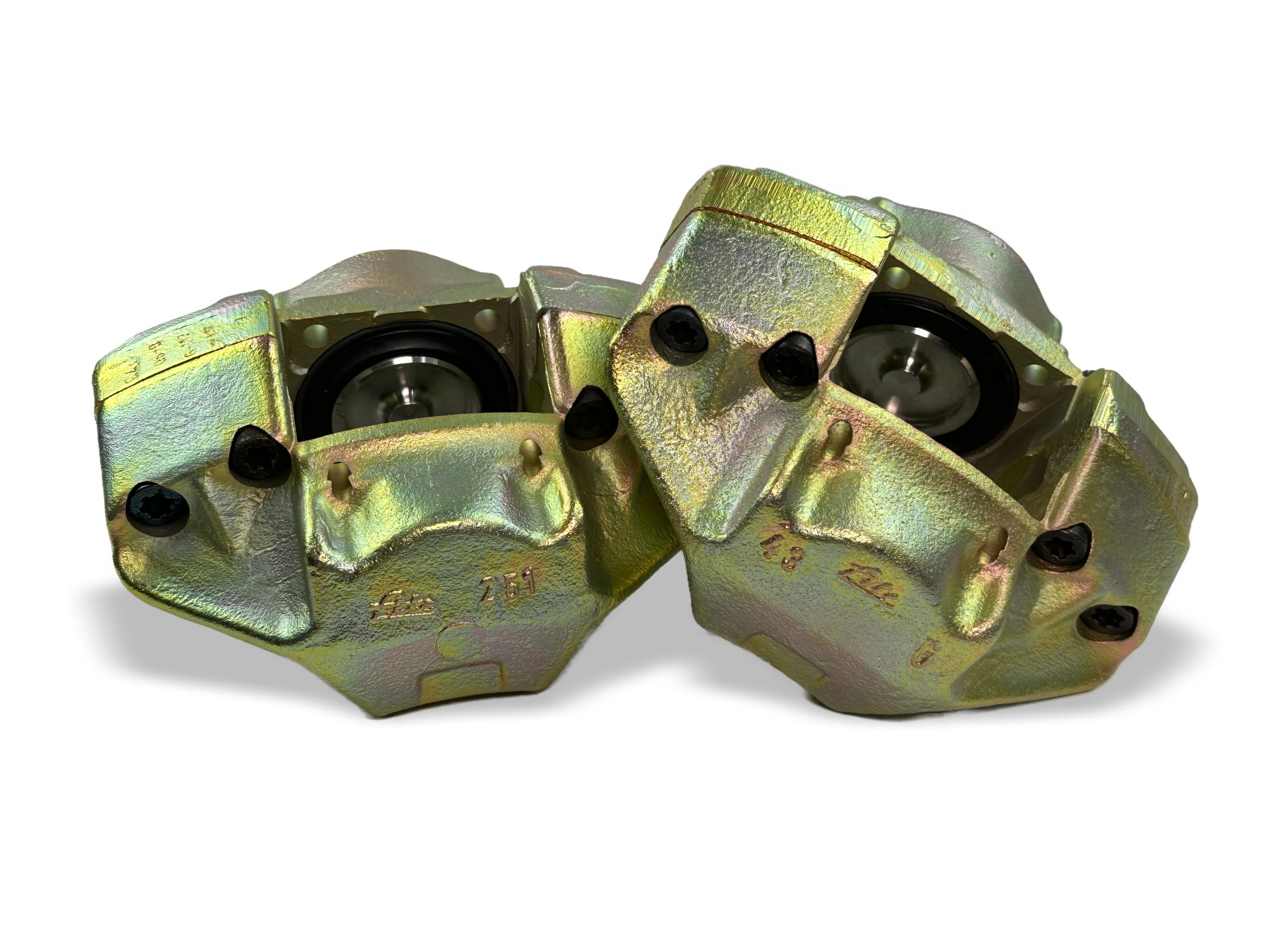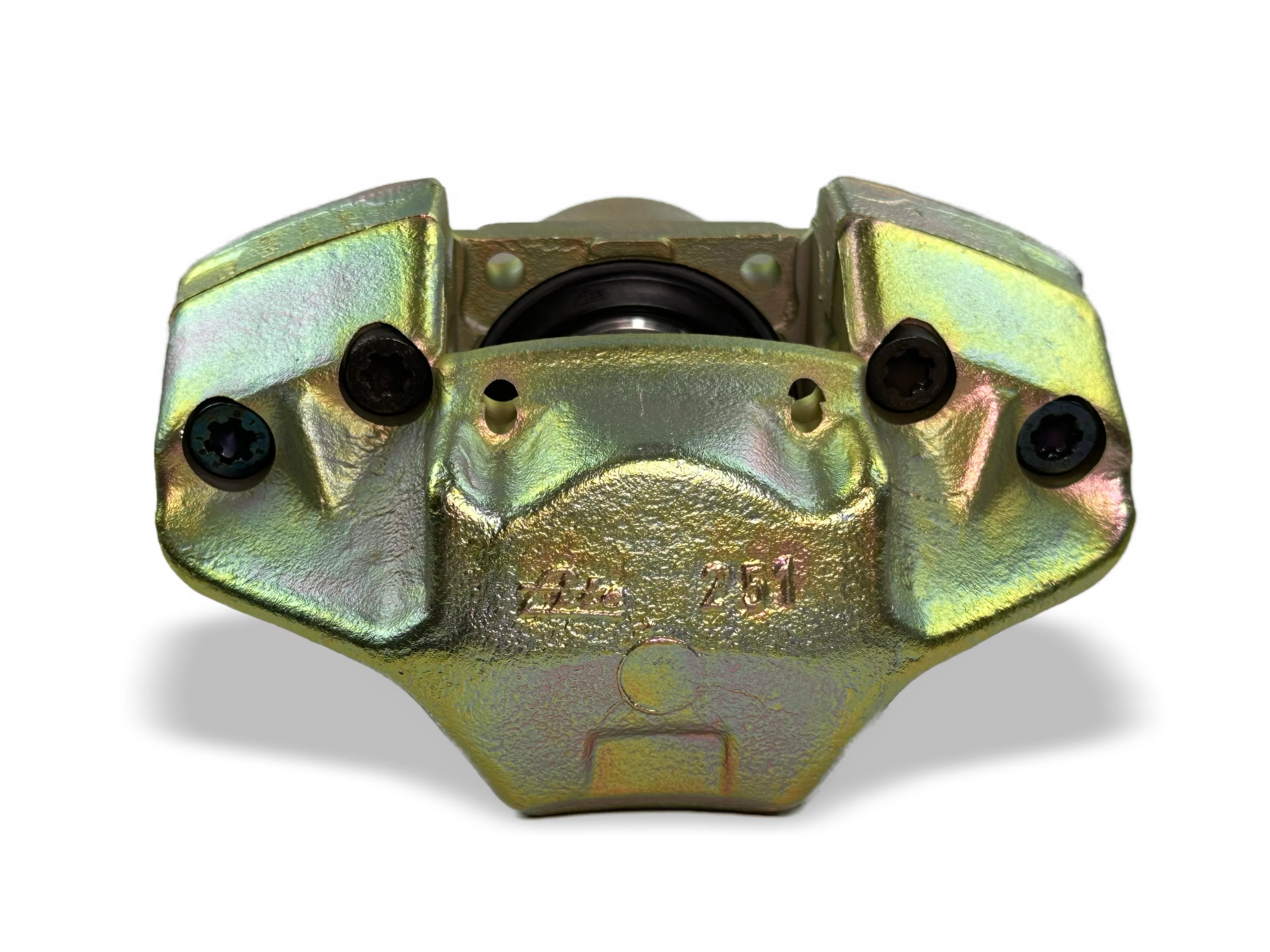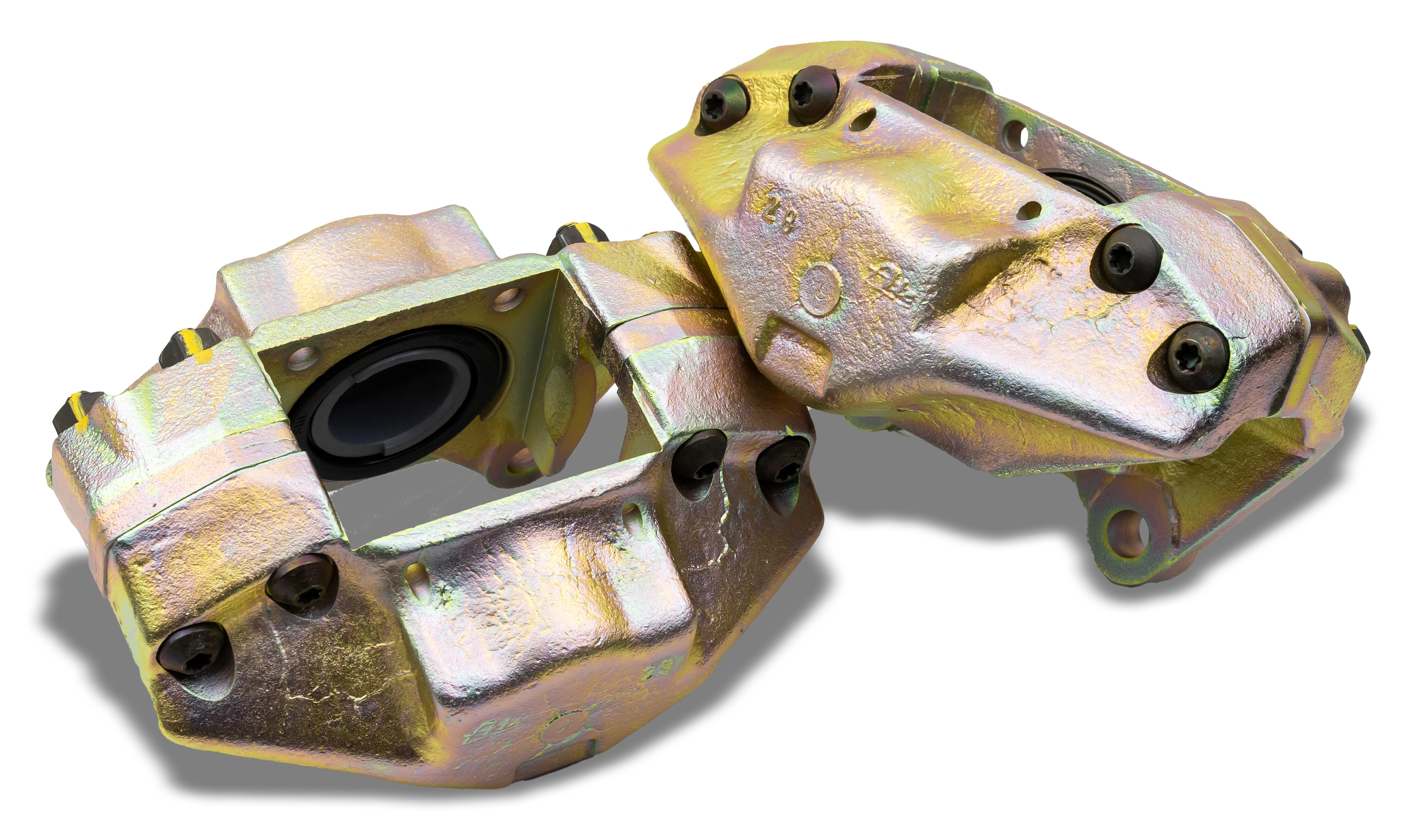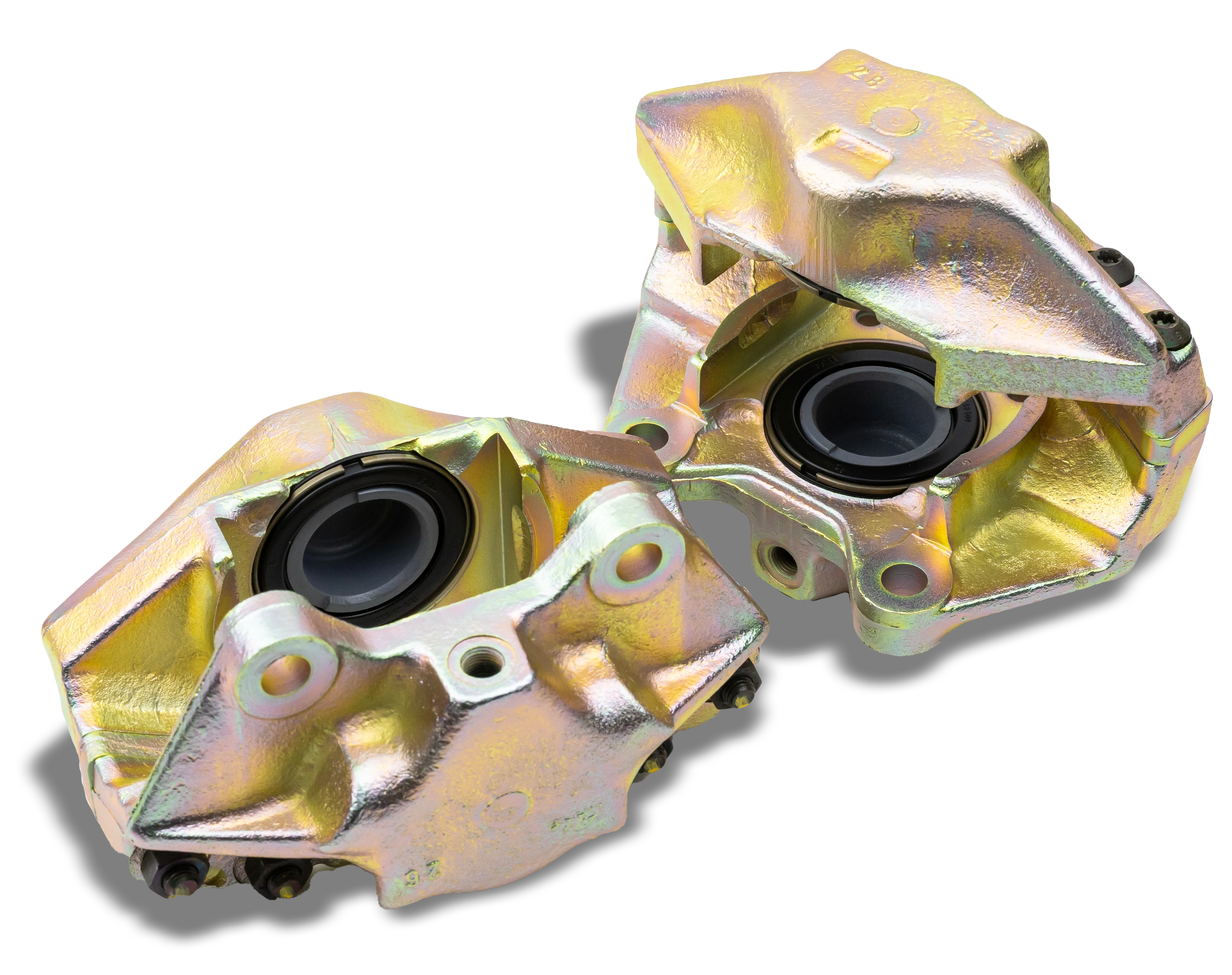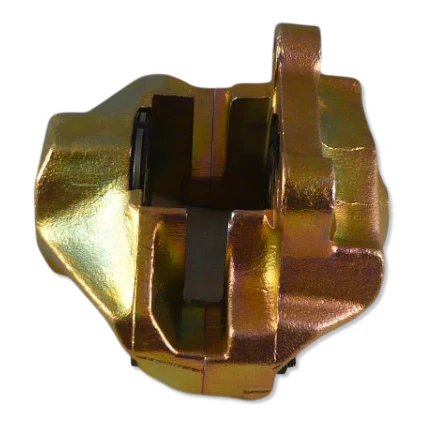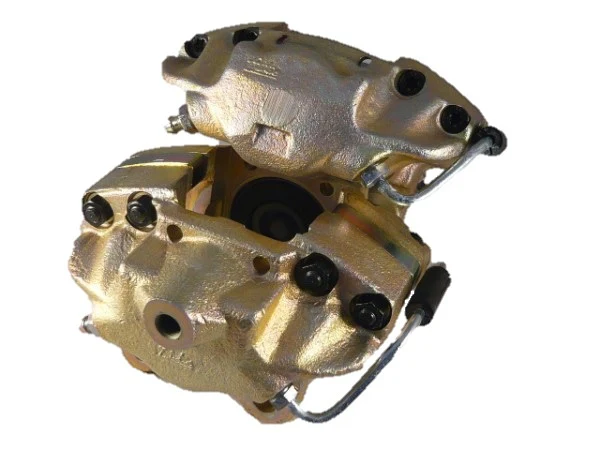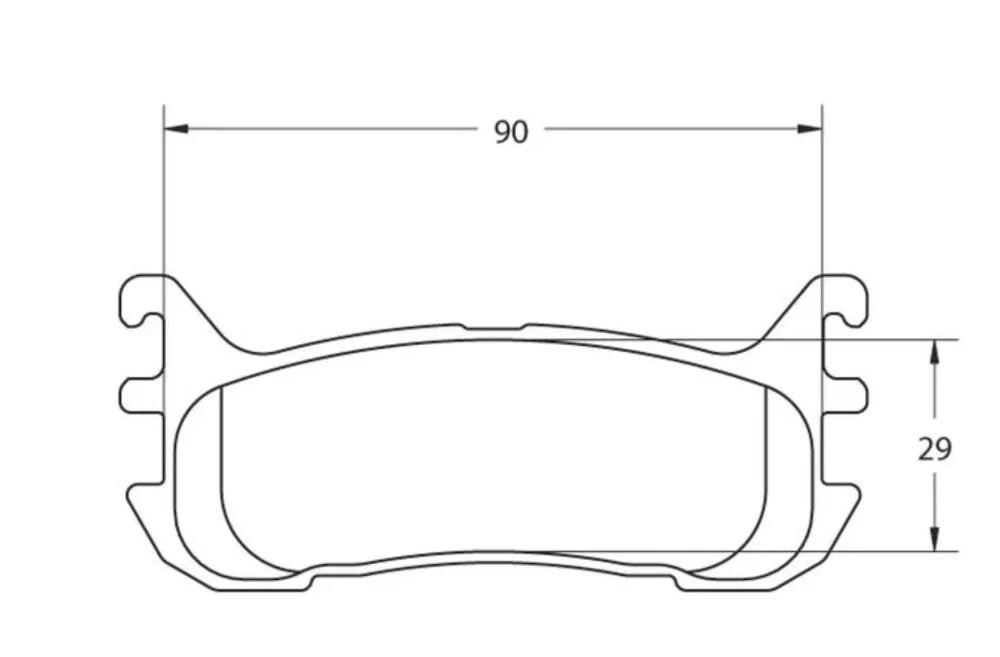
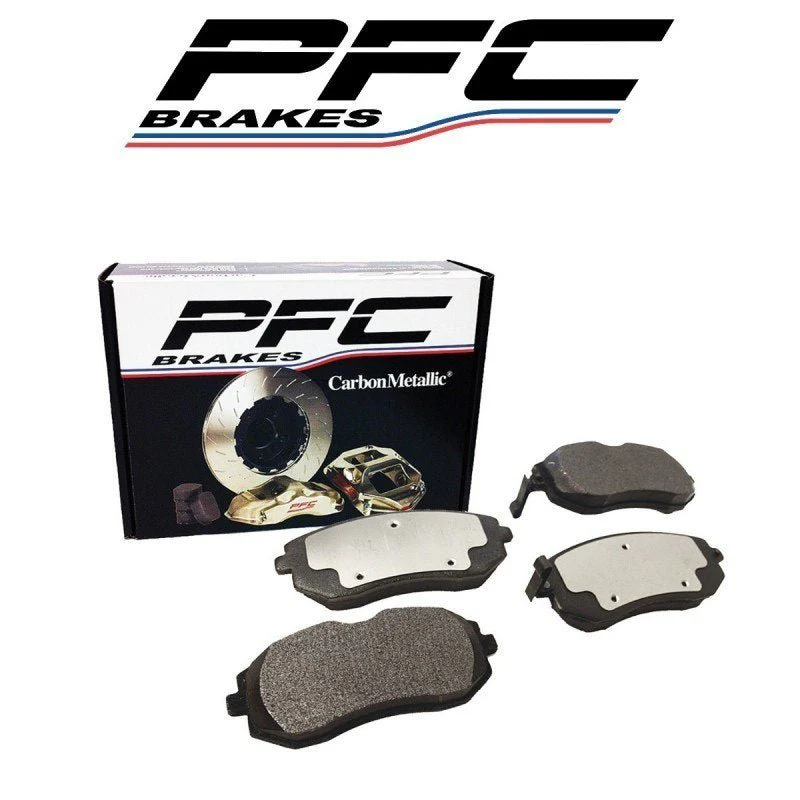

Competition Motorsport Performance Friction PFC Rear Racing Brake Pads 0636.xx.13.44
PFC 0636.XX.13.44 Rear Brake Pads
Fits Mazda Miata (1994 - 2005), Front
PFC 97 Compound:
A favorite since its debut, Performance Friction 97 Compound Racing Braking Pads continue to impress, winning numerous races in CART, ALMS, Grand Am, ASA, and Club Races everywhere. The 97-Compound has less initial bite and torque then the 01, while offering great modulation, a very flat torque curve, and excellent release characteristics. A naturally low-wearing pad, the 97 compound is popular in the endurance circuits and amongst Club Racers and Track-Day enthusiasts.
PFC 11 Compound:
Based on the outgoing 01-compound, Performance Friction's 11-compound takes the same great high-bite and torque but with even better rotor and pad wear characteristics and improved bite, modulation, and release. Exhibiting a very high initial bite and torque, very little temperature induced torque rise follows. Less torque scatter exists for improved modulation with excellent release, helping to eliminate wheel lock at the end of a stop.
Original: $192.27
-65%$192.27
$67.29Product Information
Product Information
Shipping & Returns
Shipping & Returns
Description
PFC 0636.XX.13.44 Rear Brake Pads
Fits Mazda Miata (1994 - 2005), Front
PFC 97 Compound:
A favorite since its debut, Performance Friction 97 Compound Racing Braking Pads continue to impress, winning numerous races in CART, ALMS, Grand Am, ASA, and Club Races everywhere. The 97-Compound has less initial bite and torque then the 01, while offering great modulation, a very flat torque curve, and excellent release characteristics. A naturally low-wearing pad, the 97 compound is popular in the endurance circuits and amongst Club Racers and Track-Day enthusiasts.
PFC 11 Compound:
Based on the outgoing 01-compound, Performance Friction's 11-compound takes the same great high-bite and torque but with even better rotor and pad wear characteristics and improved bite, modulation, and release. Exhibiting a very high initial bite and torque, very little temperature induced torque rise follows. Less torque scatter exists for improved modulation with excellent release, helping to eliminate wheel lock at the end of a stop.